Creativity doesn’t always come from bursts of inspiration or long, uninterrupted stretches of free time. More often, it comes from small, repeatable habits tha ...
Living small to gain abundance.
7 Tips For Handling Condensation on Your Boat (or RV or Tiny Home)
While living on a sailboat comes with plenty of immeasurable positives—serenity, sailing adventures, enjoyment of nature, creating memories with friends and fa ...
Seasonal Living and Reducing Consumption Cycles
Modern life often feels like it runs on a constant loop of buying, upgrading, replacing, and optimizing. The calendar barely matters—new products arrive year-r ...
10 Reasons For Living On A Sailboat In Winter
This was our first winter on Hope, our 35′ sailboat, and we’re learning that living on a sailboat in winter offers, well, of course, its share of challenges an ...
Building Micro-Communities Based on Shared Values, Not Convenience
Most modern social groups form around convenience—who lives nearby, who works in the same place, who shares the same schedule, or who happens to be on the same ...
What I Learned After Letting Go of Half My Belongings
Letting go of half my belongings sounded extreme at first. It wasn’t a dramatic life crisis or a sudden decision to “start over.” It was more of a quiet accumu ...
Our Crew
WHY WE STARTED WAYFINDERS NOW
Back around 2014, Michael and I had experienced a time of profound stress and upheaval involving work-related stress, illness, and family emergencies of various kinds. We noticed that many of our friends, too, were experiencing difficult things—financial troubles, the stress of finding sustainable work, student loan debt, toxic workplaces, infertility, and serious illness.
That said, these friends managed to handle their daily lives with such dignity and vulnerability. We take solace and inspiration from their examples. Eventually, we began to notice the unexpected gifts—and even humor—within our respective journeys too, whether it meant reconnecting with loved ones, continuing to have meaningful moments, or being able to laugh at the end of the day and experience wonder about the world.
Michael (a New York-bred photographer and brilliant pun maker with the sharpest wit) and I (writer who tends to make accidental puns from a small North Florida town) love to collaborate.
We hope Wayfinders Now brings you some overdue laughter about difficult things, as well as inspiration about unbusying ourselves, and making more space for joy and abundance in various forms.
Over the years, both of us have worked a slew of jobs to support our artistic lives and, in spite of reaching certain traditional benchmarks of professional “success,” we still felt stressed about the daily grind, struggling to cover bills, and feeling like we were “living to work.”
So we began to actively seek an alternative approach to what we called the “survival mode,” instead desiring a way of living and working that aligned more with our values, something that offered more creative and financial flexibility.
We didn’t know what that would look like, necessarily.
But there are certainly folks we admire who have inspired us along the way. For our own way of living, however, we still had to shape it ourselves—and we still are actively creating our own desire path, staying adaptable as we go.
Since then, we’ve shifted careers, sold our home, and moved onto a 35′ sailboat, significantly reducing our living expenses, paying off significant school loan debt, and we’re consciously (and gradually) changing our habits of being busy, overworking, and being distracted.
Our experience is imperfect and sometimes messy, but it’s ours and we’d love to share with you about the joys and benefits of living small and what we’re learning along the way.
For instance, we’ve recently collaborated with Sierra Club to develop their first plastic reduction toolkit, which offers a step-by-step guide for enacting plastic reduction ordinances in local communities. We’ve also worked with the National Wildlife Federation, Green Boater TV, and Exxpedition (all-women sailing voyages exploring the impact of and solutions to plastic and toxic pollution in our ocean).
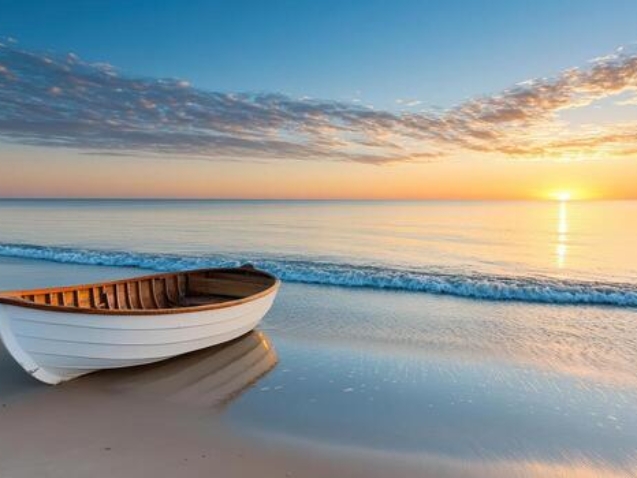
Life at Anchor: What Living Small Means on the Water
There’s a different kind of silence out on the water. Not the silence of empty rooms or quiet streets, but the open, shifting quiet of wind, tide, and distance ...

4 Swaps for a Zero Waste Bathroom (or Sailboat Head)
While learning how to reduce our waste footprint has been super inspiring, sometimes, yes, it can feel daunting too. Take, for instance, one of our most com ...
Daily Creativity Rituals for a Slower Life
Creativity doesn’t always come from bursts of inspiration or long, uninterrupted stretches of free time. More often, it comes from small, repeatable habits tha ...
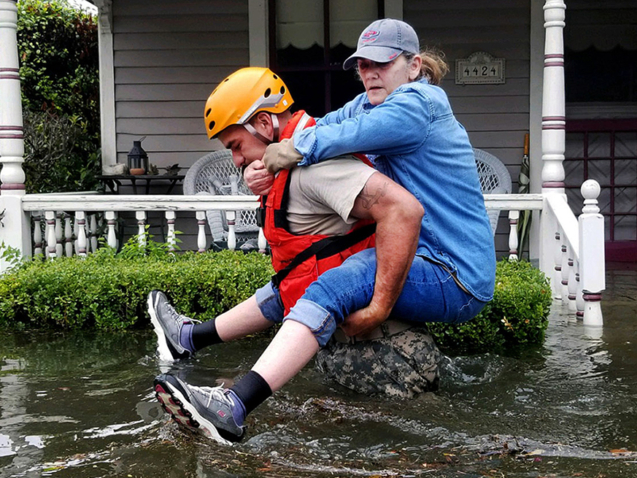
A digital diet: Or why I deleted nearly all of the apps from my smartphone
Deciding to live on a sailboat has presented us with interesting challenges and has been a wonderful way to reassess how we approach our daily life. We have be ...
Heading Towards Zero Waste from Our Boat
In the past, Michael and I would’ve described ourselves as pretty environmentally-savvy. I mean, we dutifully recycle, we’ve maintained a worm compost bin ...
Travel and Zero Waste: What’s Realistically Possible
Zero waste travel sounds ideal on paper: no trash, no disposable items, no environmental footprint. In reality, travel is messy, unpredictable, and often depen ...
FAQs
What do you mean by “living small”?
While we love and support folks who want to “live small” by literally moving into a smaller home (in our case, a 35′ sailboat) and the ensuing benefits that can come with that choice, we’re also exploring different notions of “living small” too and how tiny habits can impact our individual and collective well-being in large, meaningful ways.
That could mean living small in terms of buying locally and ethically, living small to reduce our waste footprint, living small to slow down and be less busy, or living small by acknowledging the everyday wonders that we easily miss.
We believe that living small is rich with possibilities and inherently linked to our capacity to validate the poetry residing in each of us. Because of this, WayfindersNow reflects our desire to give ourselves permission to be our weird, authentic, and unconventional selves—part do-gooder, part hellion, a smidgen unruly, and with a ton of curiosity in the mix. Living small, ultimately, entails seeking an alternative life template, so to speak, one that we can actively shape while applying inclusive ways of cultivating abundance, creativity, and joy.
What kind of sailboat is Hope?
Our vessel is a 1994 Island Packet 35. Normally, this boat would’ve been out of our budget, but we were lucky in that Hope had been stored on the hard in Indiantown, Florida for a few years, so she needed a little TLC. While she was in good overall shape, she was also missing some components, so we were able to buy Hope within budget. See our story about how we decided on the right sailboat for us.
How are the four-legged crew members handling boat life?
Like people, our lab, Kaylana, and our cat, Bowie, have their own idiosyncrasies. Bowie loves to lounge in the cockpit or in a few choice hideyholes inside, and sometimes she gets a crazy hair and runs around the boat, jumping from companionway to the berth and back. Kaylana (we sadly had to say goodbye to our 15-yr old girl in April 2019 when her health took a major townturn) would hate the sound of the engine, but otherwise, she slept in the salon and begged for a taste of whatever we’re eating (and let’s admit it, she usually got whatever she wanted).
Who designed your logo?
We owe a huge thanks to our friend and Jacksonville-raised artist, Kayce Bayer, for designing the logo, which pays tribute to Polynesian navigators—aka wayfinders—who sailed thousands of miles by observing the stars, reading wind currents and ripples on the ocean surface to find their direction. You can find more of Kayce’s work and be sure to check out the stunning graphic novel she helped produce.
recent Post
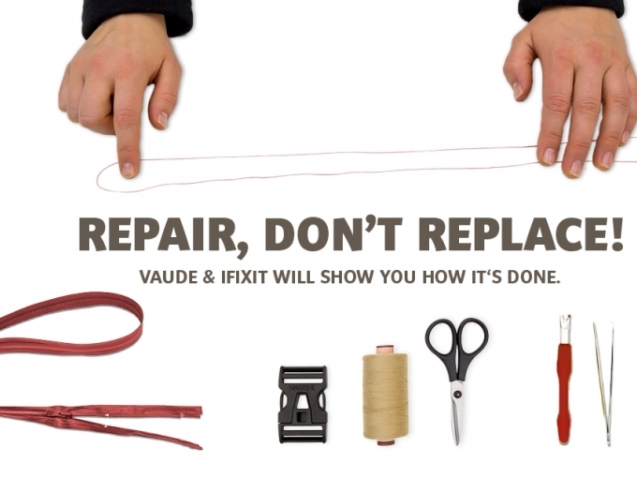
Repair Culture: Learning to Fix Instead of Replace
Repair culture is the growing mindset of choosing to fix what’s broken instead of immediately replacing it. It challenges a habit that has become almost automa ...
What I Learned After Letting Go of Half My Belongings
Letting go of half my belongings sounded extreme at first. It wasn’t a dramatic life crisis or a sudden decision to “start over.” It was more of a quiet accumu ...
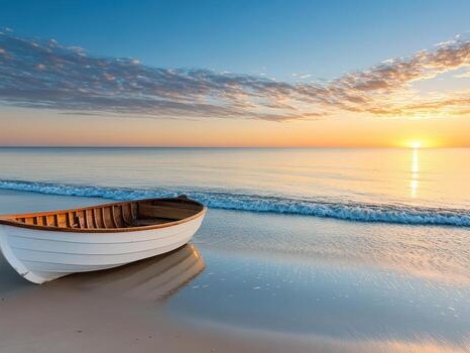
Life at Anchor: What Living Small Means on the Water
There’s a different kind of silence out on the water. Not the silence of empty rooms or quiet streets, but the open, shifting quiet of wind, tide, and distance ...

Seasonal Living and Reducing Consumption Cycles
Modern life often feels like it runs on a constant loop of buying, upgrading, replacing, and optimizing. The calendar barely matters—new products arrive year-r ...
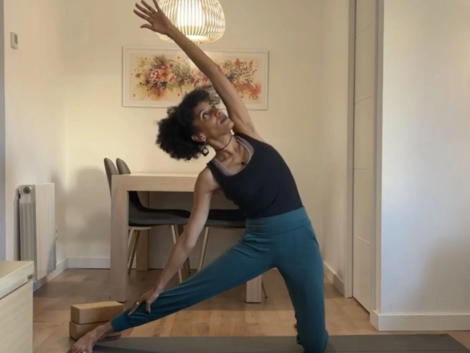
Slow Mornings: Designing a Calm Start to the Day
Most mornings are treated like launch sequences—alarms, notifications, rushed decisions, and immediate input. The day begins at full speed before awareness eve ...
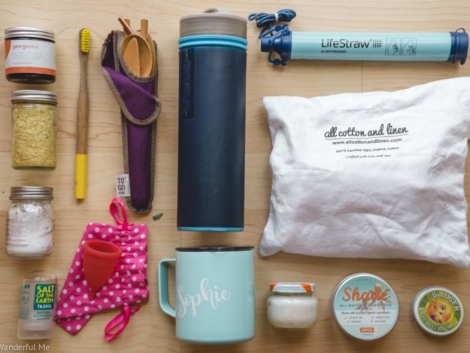
Travel and Zero Waste: What’s Realistically Possible
Zero waste travel sounds ideal on paper: no trash, no disposable items, no environmental footprint. In reality, travel is messy, unpredictable, and often depen ...

Minimalism as Resistance to Consumer-Driven Expectations of Women
Minimalism is often framed as an aesthetic choice—clean spaces, neutral colors, carefully curated possessions. But for many women, it can also represent someth ...

Daily Creativity Rituals for a Slower Life
Creativity doesn’t always come from bursts of inspiration or long, uninterrupted stretches of free time. More often, it comes from small, repeatable habits tha ...