
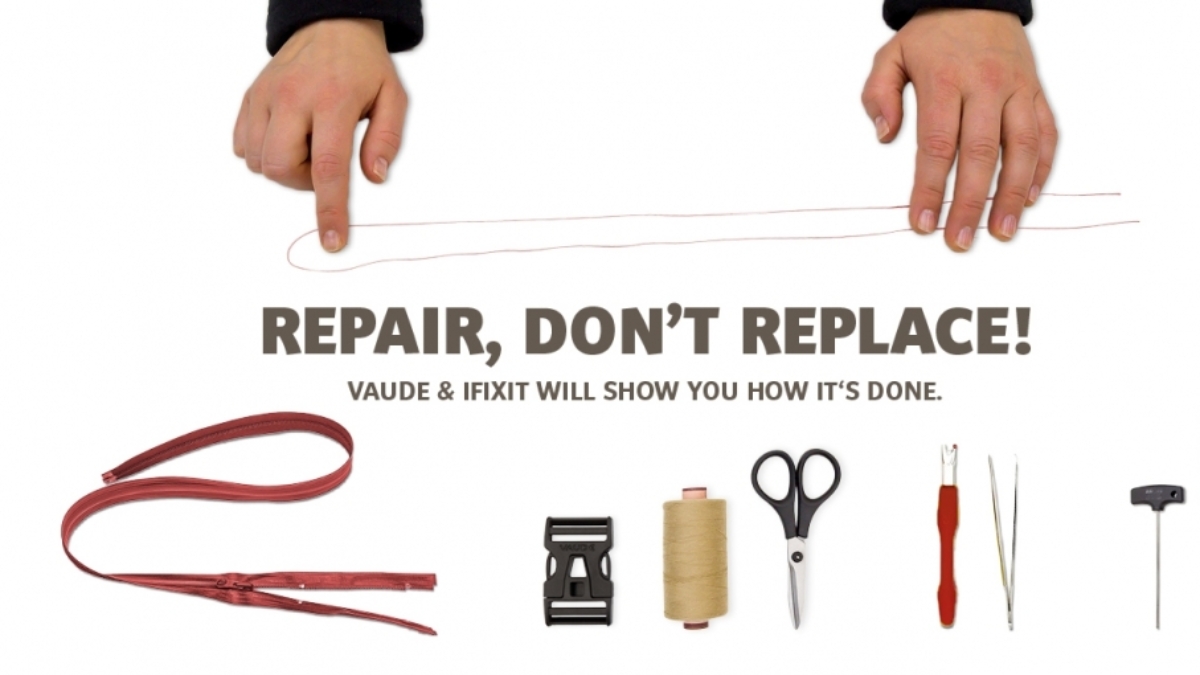
Repair culture is the growing mindset of choosing to fix what’s broken instead of immediately replacing it. It challenges a habit that has become almost automatic in modern life: when something stops working, we discard it. A new phone, a new appliance, a new chair, a new everything. Repair culture asks a quieter question:
What if we tried to keep things going a little longer?
At its core, this isn’t just about objects. It’s about attention, value, patience, and a different relationship with the things we own.
What Repair Culture Actually Means
Repair culture is the practice (and mindset) of maintaining, restoring, and extending the life of objects rather than replacing them at the first sign of damage or failure.
It can include:
- Fixing electronics instead of upgrading
- Mending clothing instead of discarding it
- Restoring furniture instead of buying new pieces
- Maintaining tools instead of replacing them
- Learning basic DIY repair skills
But beyond the practical side, it represents a shift in mindset:
From disposable thinking to long-term care.
1. The Shift From Convenience to Care
Modern consumption is built around convenience. Replacement is often faster, easier, and sometimes cheaper in the short term. But repair culture slows that reflex down.
Why Replacement Became the Default
A few forces shaped this habit:
- Mass production made items cheaper
- Repairs became less common or less accessible
- New versions are constantly marketed as “better”
- Time pressure makes fixing feel inconvenient
Over time, replacing stopped feeling like a choice—it became the default.
What Changes With Repair Culture
Repair culture reintroduces intention:
- Instead of “What should I buy?” → “Can this be fixed?”
- Instead of “Is it outdated?” → “Is it still usable?”
- Instead of “Replace quickly” → “Understand what failed”
It turns consumption into consideration.
2. The Value of Things Changes
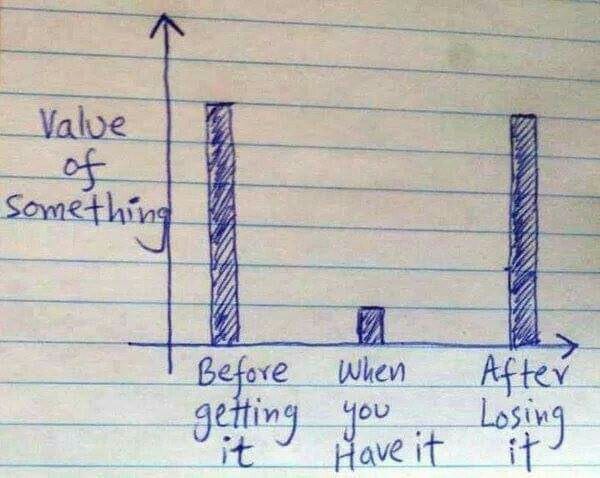
When you repair something, your relationship with it changes.
From Object to Companion
A repaired item carries history:
- Scratches become familiar rather than unwanted
- Fixes become part of its story
- Imperfections feel meaningful instead of defective
A repaired object is no longer just something you own—it becomes something you’ve invested effort into preserving.
Why This Increases Attachment
Psychologically, effort increases value perception. When you repair something:
- You understand it more deeply
- You recognize its parts and structure
- You see the work required to maintain it
This creates a stronger sense of appreciation than replacement ever could.
3. Environmental Impact: Less Waste, More Longevity
One of the clearest benefits of repair culture is environmental.
The Problem With Disposability
When items are replaced frequently:
- Landfills grow
- Resources are continually extracted
- Energy is spent producing duplicates
- Waste accumulates faster than it can be processed
Many items are discarded long before they are truly unusable.
How Repair Helps
Repairing extends product life cycles, which:
- Reduces waste
- Lowers demand for new manufacturing
- Saves raw materials
- Decreases overall environmental footprint
Even small acts—like fixing a zipper or replacing a battery—add up when practiced widely.
4. Learning Skills Replaces Passive Consumption

Repair culture naturally encourages learning.
From User to Participant
Instead of being only a consumer, you become someone who understands how things work:
- Basic electronics repair
- Sewing and clothing repair
- Furniture restoration
- Tool maintenance
- Problem diagnosis
This shift builds confidence and independence.
Why Skill-Building Matters
Each repair teaches:
- How systems function
- What causes failure
- How to prevent future issues
- How to solve problems without outsourcing everything
Over time, this reduces dependency on constant replacement.
5. Repair Slows Down Consumption Cycles
Modern consumption is fast: buy, use, replace, repeat.
Repair culture interrupts that cycle.
The Pause Between Break and Buy
Instead of immediate replacement, repair introduces a gap:
- Time to assess the problem
- Time to attempt a fix
- Time to reconsider necessity
That pause often changes the decision entirely.
Slowness Creates Awareness
When you slow down consumption:
- You notice how often replacement is unnecessary
- You become more selective with new purchases
- You reduce impulsive spending
- You think longer about durability
Repair introduces reflection into consumption.
6. Emotional Satisfaction in Fixing Things
Repairing something often feels surprisingly rewarding.
The Satisfaction of Restoration
There’s a specific satisfaction in:
- Bringing something back to life
- Solving a problem with your own hands
- Seeing immediate, tangible results
- Extending usefulness instead of ending it
It creates a sense of agency that buying something new rarely matches.
The “I Saved This” Effect
Fixing something often feels like:
- Rescuing value
- Preventing waste
- Reclaiming function
That emotional reward reinforces the habit of repairing again.
7. Repair Culture and Creativity
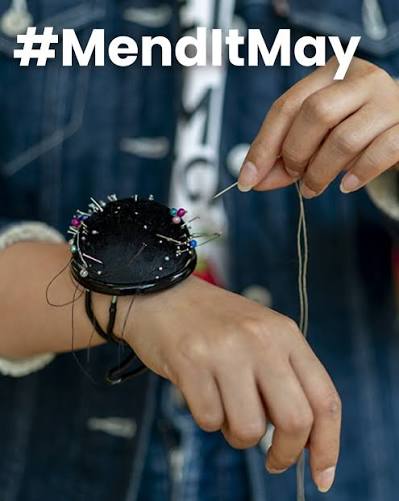
Repairing is not just technical—it’s creative.
Improvisation and Problem-Solving
Not every repair has a perfect guide. Sometimes you have to:
- Adapt tools
- Repurpose materials
- Invent solutions
- Work around limitations
This makes repair a form of practical creativity.
Making Things Better Than Before
Repairs don’t always return things to original condition. Sometimes they:
- Improve durability
- Add custom features
- Change aesthetics
- Make objects more personal
Repair becomes transformation, not just restoration.
8. The Economic Side of Repair
Repair culture can also change financial behavior.
Short-Term vs Long-Term Thinking
Replacement often seems cheaper at first glance. But repair can:
- Extend lifespan significantly
- Delay major purchases
- Reduce recurring expenses
- Improve value over time
Even occasional repairs can shift spending patterns.
Hidden Costs of Constant Replacement
Frequent replacement often includes:
- Relearning new systems
- Rebuying accessories
- Time spent setting up replacements
- Waste from discarded items
Repair avoids many of these hidden costs.
9. Obstacles to Repair Culture
Despite its benefits, repair isn’t always easy.
Common Barriers
- Products designed to be difficult to open or fix
- Lack of access to spare parts
- Limited repair knowledge
- Time constraints
- Perception that repair is “not worth it”
These barriers reinforce the replacement mindset.
Changing the Default Thinking
Repair culture grows when people start asking:
- “What if this is fixable?”
- “What actually failed here?”
- “Is replacement really necessary?”
The shift begins with curiosity.
10. Repair as a Mindset Shift
At its deepest level, repair culture is not just about objects—it’s about attitude.
From Disposability to Continuity
Instead of seeing things as temporary, repair culture sees them as:
- Maintainable
- Extendable
- Worth preserving
This changes how you relate to everything you own.
A Slower, More Intentional Relationship With Things
Repair encourages:
- Patience instead of urgency
- Understanding instead of ignorance
- Care instead of neglect
- Longevity instead of replacement
It shifts consumption into stewardship.
Final Thoughts
Repair culture is a quiet rejection of disposable thinking. It doesn’t demand perfection or technical expertise—it starts with a simple pause before replacement. That pause opens the door to learning, creativity, savings, and sustainability.
When you repair something, you extend its life, but you also change your relationship with it. Objects become more than products—they become stories, skills, and ongoing commitments.
In a world built on constant replacement, choosing to fix instead of discard is a small act. But multiplied over time, it becomes a powerful shift toward a more mindful, resourceful, and grounded way of living.