

Letting go of half my belongings sounded extreme at first. It wasn’t a dramatic life crisis or a sudden decision to “start over.” It was more of a quiet accumulation of frustration—too much stuff, too little space, and a growing sense that my environment was doing more managing than I was.
So I started small, then kept going. I didn’t aim for minimalism as an aesthetic. I was just trying to see what my life looked like with less weight attached to it.
What surprised me wasn’t what I lost—it was what showed up afterward.
1. Less Stuff Didn’t Feel Empty—It Felt Lighter

I expected the space to feel hollow once things were gone. It didn’t.
The Strange Calm of Empty Space
Rooms that used to feel visually busy suddenly became quieter. Not silent in an acoustic sense, but visually calm.
- Fewer objects competing for attention
- Fewer reminders of unfinished tasks
- Fewer decisions waiting in plain sight
The environment stopped feeling like a checklist and started feeling like a place.
What I Didn’t Expect
I thought I would miss things more than I did. Instead, I mostly stopped thinking about them within days.
Most possessions don’t stay emotionally active in your mind—they just quietly occupy space.
2. Decision Fatigue Dropped More Than I Expected
I didn’t realize how many micro-decisions my belongings were creating until they were gone.
Every Object Is a Small Task
Even unused items create mental weight:
- Should I keep this?
- Where should this go?
- When will I use it?
- Do I need to fix it?
Multiply that across hundreds of objects, and your brain is constantly processing background noise.
After Letting Go
With fewer things around:
- Cleaning became simpler
- Organizing stopped being constant
- Choosing what to use took less time
- Mental clutter reduced noticeably
It wasn’t just physical space that opened up—it was cognitive space.
3. I Became More Selective Without Trying

Something subtle happened after I reduced what I owned: I stopped bringing things in so easily.
Awareness Changes Consumption
When you’ve already let go of a lot, new items don’t enter casually anymore. You start asking:
- Do I actually need this?
- Where will this go?
- Will I maintain it?
The threshold for “yes” quietly rises.
Less Impulse, More Intention
Instead of collecting things by default, I started noticing patterns:
- I was buying duplicates without realizing it
- I often preferred a few reliable items over many options
- Most “nice-to-have” things weren’t used regularly
That awareness changed how I shop without forcing strict rules.
4. Sentimental Value Became Clearer
Letting go forced me to confront something uncomfortable: not everything I kept was meaningful.
The Myth of “Just in Case”
A lot of items were kept for imagined futures:
- “I might need this someday”
- “This could be useful later”
- “I feel bad throwing it away”
But most of those “somedays” never arrived.
What Actually Matters
When I filtered more carefully, real sentimental items stood out immediately. They didn’t need justification—they carried meaning on their own.
Letting go of the rest made the important things feel more visible.
5. Time Started Feeling Different
This was unexpected. Less stuff didn’t just change space—it changed how time felt inside it.
Less Maintenance, More Living
With fewer possessions:
- Cleaning took less time
- Organizing stopped interrupting the day
- Repairs and upkeep became rare
- Routines felt smoother
The hours didn’t increase, but they felt less fragmented.
The Subtle Effect
Time stopped being filled with small maintenance tasks I didn’t notice before. That created a sense of longer, more continuous days.
6. Creativity Increased in Small Ways
I didn’t become a different person, but my environment stopped interfering as much.
Less Visual Noise, More Mental Space
With fewer distractions around me:
- It was easier to focus on writing or thinking
- I felt less overwhelmed starting tasks
- Ideas felt less cluttered or competing
The environment became neutral instead of demanding.
Creativity Without Pressure
Interestingly, creativity didn’t feel like “more effort.” It felt like fewer interruptions while thinking.
7. Emotional Attachment Shifted Over Time
The most surprising part wasn’t the act of letting go—it was what happened afterward.
Letting Go Is Not Instant
At first, there’s hesitation:
- Doubt about decisions
- Attachment to familiar objects
- Fear of regret
But that emotional intensity fades quickly.
What Replaces It
Over time, attachment shifts away from objects and toward:
- Spaces
- Routines
- Experiences
- People
Possessions become less central to identity than expected.
8. I Realized How Much I Was Keeping Out of Habit
One of the clearest insights was how many things I owned without real purpose.
Inertia Ownership
Some items stayed not because they were useful, but because they had never been questioned:
- Gifts I never used
- Clothes I stopped wearing
- Tools I didn’t know I had
- Items stored “temporarily” for years
They remained simply because nothing forced a decision.
Breaking the Default
Once that pattern was visible, it became easier to challenge it going forward.
9. Space Started Feeling Like a Resource
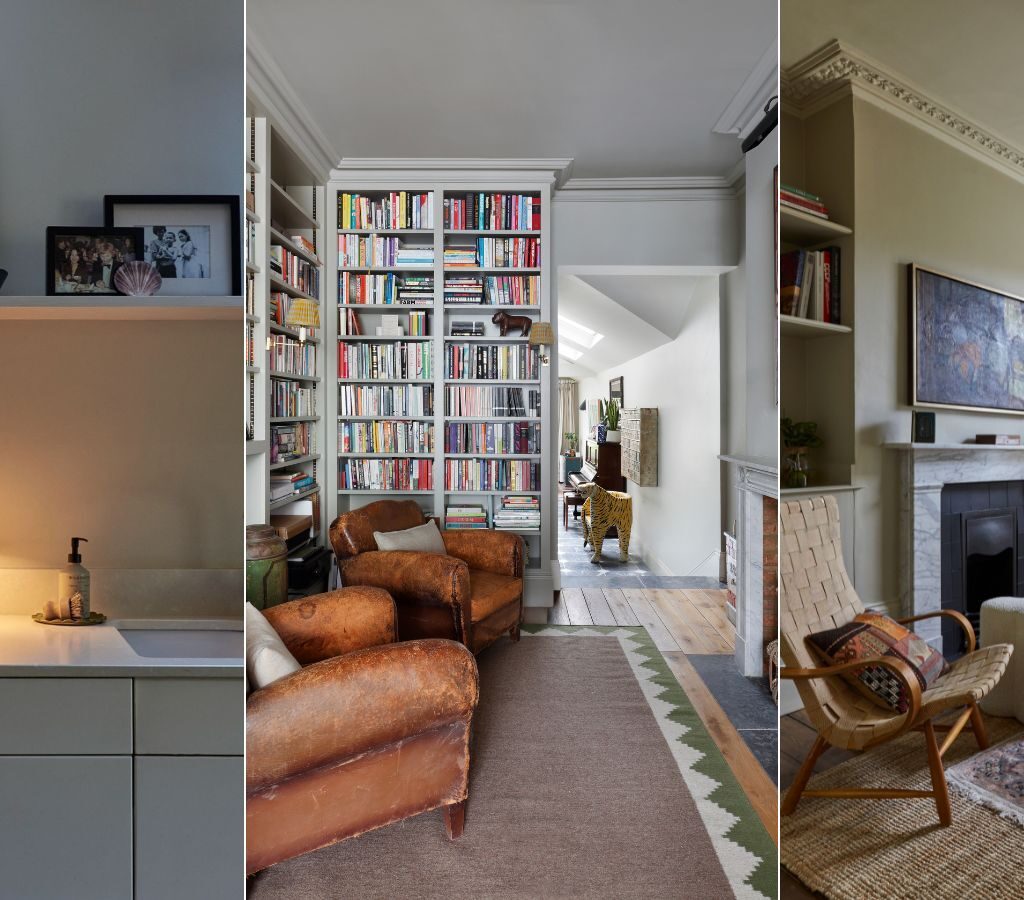
Before this, space felt passive. Afterward, it felt active.
Empty Space Has Function
Open space allows:
- Easier movement
- Faster cleaning
- Visual calm
- Flexibility for change
Instead of thinking “this room is missing something,” I started thinking “this room can adapt.”
Room to Breathe
Empty space isn’t absence—it’s potential. It’s room for life to shift without rearranging everything first.
10. I Didn’t Become Minimalist—I Became More Intentional
Letting go of half my belongings didn’t turn me into someone radically different. It just removed a lot of automatic behavior.
The Real Change
The biggest shift wasn’t aesthetic or philosophical. It was practical:
- I think more before acquiring things
- I maintain what I own more carefully
- I feel less overwhelmed by my environment
- I experience my space more directly
It wasn’t about living with less for its own sake—it was about removing what didn’t need to be there.
Final Thoughts
Letting go of half my belongings didn’t shrink my life. It simplified the way I move through it. What I gained wasn’t emptiness—it was clarity.
Less stuff meant fewer distractions, fewer obligations, and fewer silent demands on my attention. In return, I got something harder to notice but easier to feel: space that doesn’t compete with life, but supports it.
And once you experience that kind of space, it becomes harder to confuse “more” with “better.”