
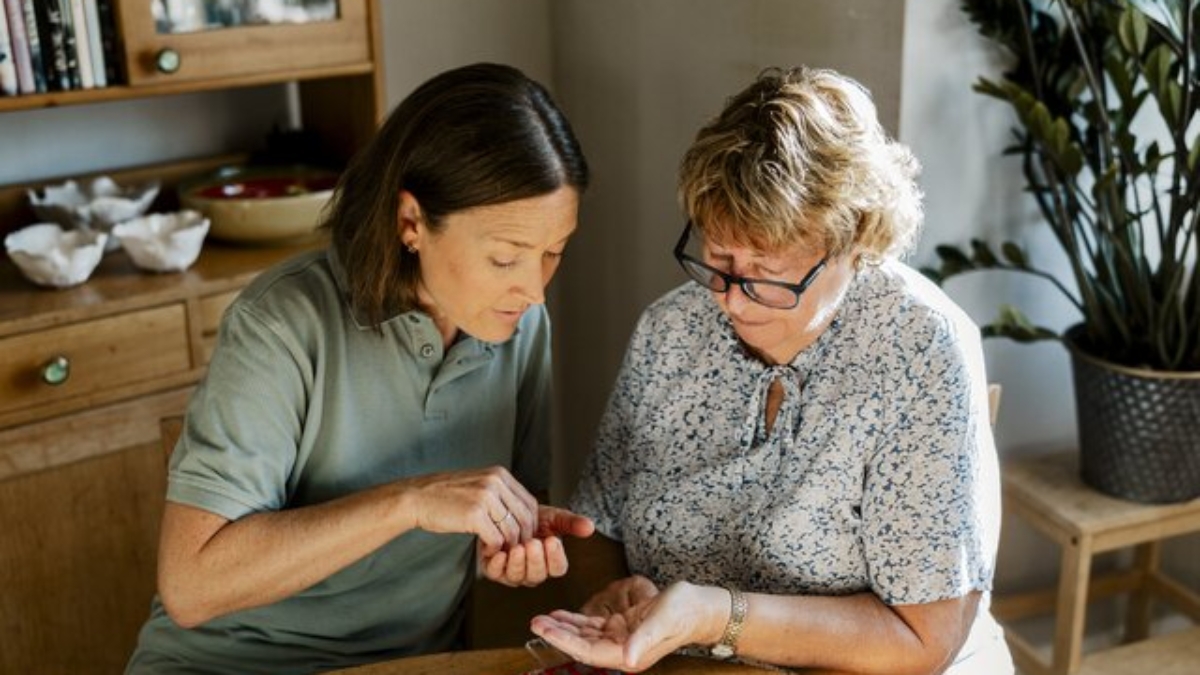
Living with fewer possessions as a caregiver isn’t the same as minimalism in a quiet, controlled environment. Caregiving introduces unpredictability: urgent needs, emotional intensity, physical tasks, and constant context switching. In that kind of life, “less” isn’t about aesthetics or purity—it’s about function, speed, and emotional bandwidth.
What you keep becomes less about preference and more about reliability under pressure. What you let go of isn’t just clutter—it’s anything that slows you down when someone else needs you.
What “Less” Means in a Caregiving Context
Minimalism in caregiving is not about owning almost nothing. It’s about owning only what:
- Reduces friction in urgent moments
- Supports repeated daily tasks
- Is easy to access and maintain
- Doesn’t add cognitive load during stress
The goal isn’t emptiness. It’s readiness with calm.
1. What I Always Keep: Things That Save Time in Stress Moments
Caregiving often compresses time. Small delays matter.
Essentials That Stay
- Basic first-aid supplies
- Comfortable, practical clothing
- Reliable footwear
- Simple hygiene items
- Easy-to-reach medications (where applicable)
Why These Stay
They remove decision-making when it matters most.
In caregiving, you don’t want to ask:
- Where is this?
- Do I still have it?
- Is it usable?
You want automatic access.
2. I Keep Multi-Use Items Over Specialized Ones
Specialization creates clutter. Flexibility creates space.
The Rule of Function Over Category
Instead of many single-use objects:
- One blanket that works for warmth, comfort, and support
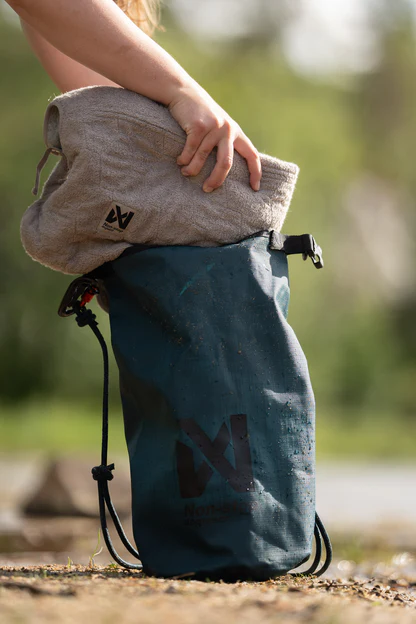
- One bag that works for errands, storage, and emergencies
- Simple containers instead of themed organizers
- Neutral tools that can adapt to different tasks
Why This Matters
Caregiving situations change quickly. Multi-use items reduce:
- Searching
- Switching tools
- Managing excess inventory
3. Clothing: Fewer Pieces, Higher Reliability
Clothing in caregiving is about endurance, not expression.
What I Keep
- Durable, easy-wash basics
- Layerable clothing for temperature shifts
- A small set of “always ready” outfits
- Items that don’t require special care
What I Avoid
- Delicate fabrics that require maintenance
- Trend-based items that don’t repeat well
- Clothing that restricts movement
- Anything uncomfortable during long days
The Logic
Clothes should support movement, not demand attention.
4. Kitchen and Food: Simplicity Over Variety
Cooking in caregiving often happens in interruptions.
What Stays
- A few reliable staples
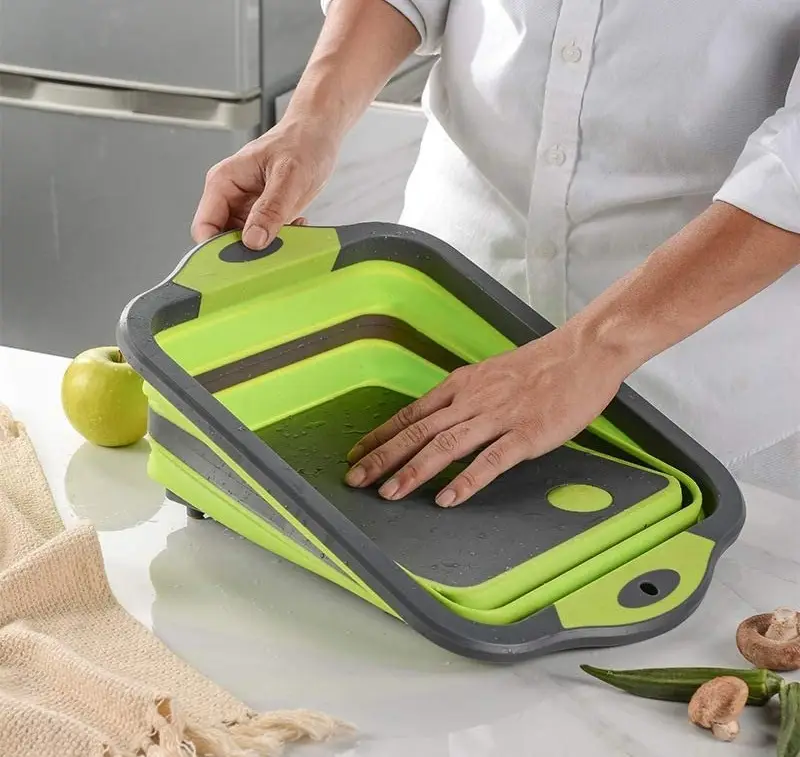
- Simple cookware that’s easy to clean
- Storage containers that stack and repeat
- Foods that are quick to prepare or reheat
What Doesn’t Stay
- Specialty tools used once in a while
- Complex recipes requiring long focus
- Excess pantry variety that creates decision fatigue
Why This Works
Fewer options mean faster decisions, especially when attention is divided.
5. Paper, Admin, and Memory Systems: Minimal but Clear
Caregiving often involves coordination—appointments, notes, reminders.
What I Keep
- One consistent system for notes (not multiple apps or notebooks)
- Essential documents in a single, known location
- Simple checklists for recurring tasks
- A predictable way to track important information
What I Avoid
- Multiple overlapping systems
- Decorative or redundant planners
- Scattered notes across different places
The Principle
Information should reduce stress, not create it.
6. Emotional Objects: Carefully Limited, Not Eliminated
Caregiving is emotionally heavy work. Emotional grounding matters.
What Stays
- A few deeply meaningful personal items
- Objects that provide comfort or stability
- Items connected to calm routines
What I Avoid
- Excess sentimental clutter
- Objects tied to guilt or obligation
- Items that trigger emotional overwhelm
The Balance
Too many emotional objects create noise. Too few can feel sterile. The key is selectivity.
7. Tools and “Just in Case” Items: Strict Filtering
Caregiving encourages “just in case” thinking—but that can quickly expand into clutter.
My Filtering Rule
If an item hasn’t been used recently and doesn’t solve a frequent problem, it doesn’t stay.
What I Keep
- Tools used weekly or monthly
- Backup essentials for predictable scenarios
- Items that reduce dependency on external help
What I Don’t Keep
- Hypothetical-use gadgets
- Rarely used duplicates
- “Maybe someday” equipment
Why This Matters
Extra tools don’t just take space—they take attention.
8. Digital Clutter: Often the Hidden Burden
Physical minimalism is obvious. Digital clutter is quieter but constant.
What I Keep Minimal
- Notifications
- Apps that fragment attention
- Unnecessary subscriptions
- Redundant storage systems
What I Keep Functional
- Communication tools needed for coordination
- One or two reliable information systems
- Simple scheduling tools
The Goal
Reduce interruptions, not just objects.
9. What I Let Go: Anything That Slows Response Time
In caregiving, delay is the real cost.
Things That Don’t Stay
- Items requiring frequent maintenance
- Objects that are hard to access quickly
- Complex systems that break under stress
- Anything that adds decision fatigue during urgency
The Core Question
Instead of asking “Do I like this?” I ask:
“Does this slow me down when I need clarity?”
If yes, it goes.
10. The Emotional Shift: From Ownership to Support
Over time, possessions stop feeling like “things I own” and start feeling like “systems that support me.”
What Changes Internally
- Less attachment to excess
- More respect for simplicity
- Greater trust in fewer, reliable items
- Reduced emotional burden from clutter
What Remains
Only what actively contributes to stability.
Final Thoughts
Living with fewer possessions as a caregiver isn’t about aesthetic minimalism or lifestyle purity. It’s about designing an environment that can hold unpredictability without adding friction.
The goal is not to have less for its own sake, but to remove anything that competes with attention, time, or emotional capacity. What remains is not emptiness—it’s clarity under pressure.
In caregiving, simplicity isn’t a style choice. It’s a form of support—for both the person giving care and the life being lived around it.