
There’s a different kind of silence out on the water. Not the silence of empty rooms or quiet streets, but the open, shifting quiet of wind, tide, and distance. Life at anchor—whether on a sailboat, small yacht, or simple floating home—naturally strips life down to essentials. Space becomes limited, resources become visible, and every possession has to justify its place.
Living small on the water isn’t a trend or aesthetic choice. It’s a practical reality shaped by physics, weather, and self-sufficiency. But beyond that, it becomes a philosophy: a way of living where less isn’t a restriction—it’s how freedom is made possible.
1. Space Becomes a Constant Conversation
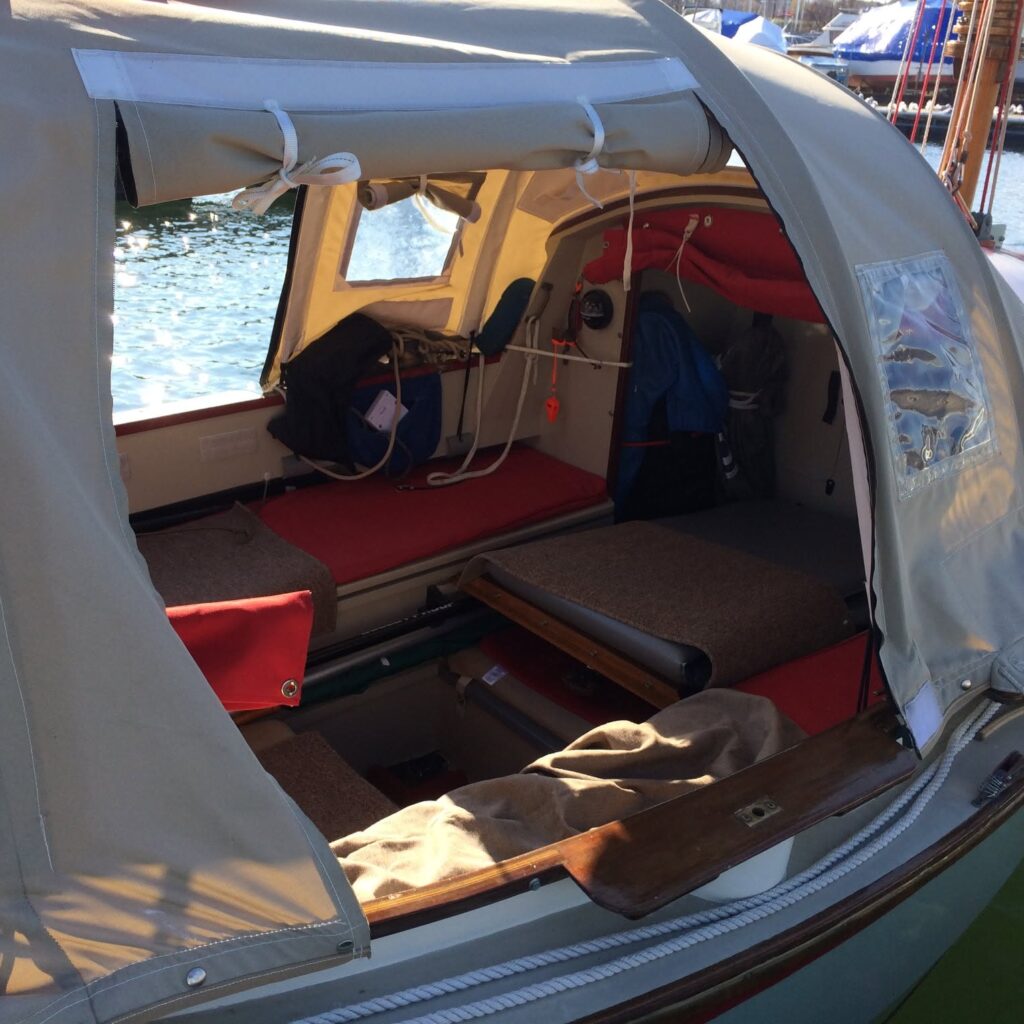
On land, space feels expandable. You rent a bigger place, add storage, push things into closets. On the water, space is fixed. Every square meter matters.
The Reality of Limited Volume
A boat doesn’t offer “extra room” for later. It offers:
- Sleeping space that also stores gear
- A galley that doubles as prep and cleanup area
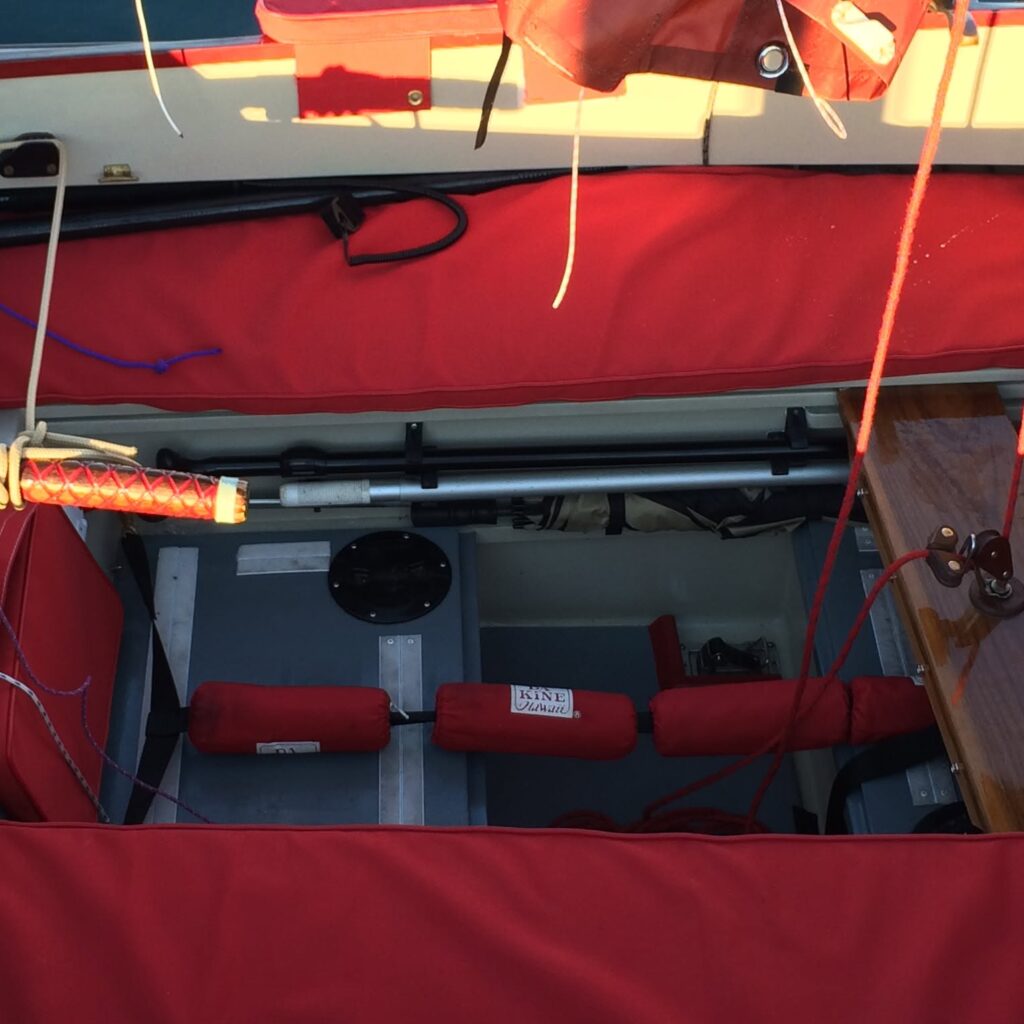
- Seating that often hides essential equipment
- Compartments designed for exact purpose
Nothing is accidental. Everything has a function.
What That Changes
When space is finite:
- Every object must earn its presence
- Redundancy becomes expensive
- Organization becomes survival, not preference
You don’t just live in your space—you actively manage it.
2. Every Possession Carries Weight (Literally and Figuratively)
On land, weight is abstract. On water, it’s physics.
The Hidden Cost of “Just One More Thing”
Extra items affect:
- Balance and stability
- Fuel efficiency
- Storage capacity
- Safety margins
A “small” object isn’t small when multiplied across limited displacement.
The Mindset Shift
You start asking different questions:
- Will this be used often enough to justify space?
- Does this duplicate something I already have?
- Can one item serve multiple roles?
Function replaces accumulation.
3. Systems Replace Stuff
Living small on the water forces a shift from ownership to systems thinking.
Everything Has a Role in a System
Instead of isolated items, you start thinking in interconnected functions:
- Water systems (storage, filtration, conservation)
- Power systems (solar, battery, generator balance)
- Cooking systems (fuel efficiency, storage, cleanup flow)
- Navigation systems (redundancy, reliability)
Nothing exists alone—it’s part of a chain.
Why This Matters
When systems matter more than objects:
- You prioritize reliability over novelty
- Maintenance becomes more important than replacement
- Understanding replaces convenience
You don’t just own things—you maintain survival structures.
4. Water and Power Make You Aware of Everything You Use
On land, utilities are invisible. At anchor, they become measurable and finite.
Water Changes Behavior
Freshwater becomes something you track carefully:
- Shorter showers
- Reused water where possible
- Immediate awareness of waste
- Conscious cleaning habits
You begin to see water as time in liquid form.
Energy Becomes Visible
Power is no longer abstract:
- Battery levels dictate daily planning
- Sunlight becomes a resource window
- Electronics are used intentionally
- Idle consumption is reduced automatically
You don’t just “use electricity”—you budget it.
5. Weather Becomes Part of Daily Decision-Making
On the water, weather isn’t background—it’s structure.
Wind, Tide, and Storms Shape Routine
Plans shift based on:
- Wind direction and strength
- Incoming weather systems
- Sea state and swell
- Anchor holding conditions
Even simple tasks depend on conditions outside your control.
Living With Uncertainty
This creates a different kind of awareness:
- You learn patience with timing
- You stop forcing schedules
- You adapt instead of resist
The environment becomes a partner in decision-making.
6. Routine Becomes Simpler but More Intentional
Life at anchor strips away complexity, but not structure.
Fewer Things, Clearer Rhythms
Daily life often revolves around:
- Checking systems
- Adjusting to conditions
- Maintaining cleanliness in small spaces
- Preparing for changes in weather
Instead of endless variety, there is repetition with purpose.
Why Simplicity Feels Different Here
On land, simplicity can feel optional. On water, it feels functional. You simplify because complexity has a cost.
7. The Psychology of Small Living on the Water
Something shifts mentally when your environment is both limited and constantly moving.
Awareness Increases Naturally
You become more aware of:
- Sound changes in wind or hull
- Subtle shifts in balance or movement
- Small mechanical differences
- Environmental cues
Your senses adapt to pay attention more closely.
Presence Becomes Automatic
Distraction is harder to maintain when your surroundings are dynamic and immediate. You’re often more present simply because the environment demands it.
8. Minimalism Stops Being a Choice and Becomes Infrastructure
On land, minimalism is often aesthetic or philosophical. On the water, it becomes structural necessity.
Why Less Is Not Optional
You don’t reduce possessions because it feels good—you reduce them because:
- Storage is limited
- Weight matters
- Systems must remain functional
- Redundancy must be justified
Minimalism becomes practical engineering.
The Result
What remains is highly curated:
- Multi-use tools
- Essential clothing
- Reliable equipment
- Carefully chosen personal items
Everything has earned its place through function.
9. Freedom Feels Different When It’s Engineered by Limits
At first glance, living on the water seems restrictive. But those constraints create a specific kind of freedom.
Freedom Through Clarity
With fewer choices and fewer possessions:
- Decision-making becomes simpler
- Movement becomes easier
- Maintenance becomes predictable
- Life feels less scattered
Freedom isn’t about unlimited options—it’s about reduced friction.
Mobility as a Lifestyle
Even when anchored, there’s a sense of possibility:
- You can move if conditions change
- You are less tied to infrastructure
- You are closer to direct experience of environment
Freedom becomes physical as well as mental.
10. What Living Small on the Water Teaches You
Living at anchor doesn’t just change how you live—it changes what you value.
Core Lessons
- Space is not neutral—it’s active and limited
- Everything has a cost beyond money
- Systems matter more than objects
- Simplicity increases awareness
- Less can improve resilience
A Different Relationship With “Enough”
Eventually, a quiet recalibration happens. Instead of asking “What else do I need?” the question becomes:
“What do I actually need to function well here?”
That question reshapes everything.
Final Thoughts
Life at anchor is one of the purest expressions of living small. It removes the illusion of unlimited space, unlimited resources, and unlimited accumulation. In its place, it offers clarity—sometimes demanding, sometimes beautiful.
On the water, simplicity isn’t an aesthetic choice. It’s how life stays balanced, functional, and free. And in that simplicity, something unexpected appears: a version of life where every object, every action, and every decision carries more meaning because nothing can be taken for granted.
Living small at sea isn’t about having less for its own sake. It’s about discovering how much of life becomes clearer when nothing unnecessary is allowed to drift along with you.