
Modern life often feels like it runs on a constant loop of buying, upgrading, replacing, and optimizing. The calendar barely matters—new products arrive year-round, trends refresh endlessly, and habits stay locked into a steady pace of consumption. Seasonal living offers a quiet alternative: aligning life more closely with the natural rhythm of the year, and in doing so, reducing the impulse to constantly acquire more.
At its core, seasonal living is about recognizing that life doesn’t have to move at one speed. It can expand and contract, shift priorities, and naturally reduce unnecessary consumption when we pay attention to cycles that already exist.
What Seasonal Living Actually Means
Seasonal living is the practice of adjusting lifestyle, habits, consumption, and focus based on the time of year.
It can include:
- Changing diet with seasonal food availability
- Rotating clothing instead of constantly buying new items
- Adjusting routines based on daylight and weather
- Shifting energy levels and productivity expectations
- Aligning spending habits with seasonal needs rather than constant desire
But more than anything, it is a mindset shift:
Life is not a straight line of constant consumption—it moves in cycles.
1. Nature Already Lives in Cycles—We Just Ignore Them
Human behavior often ignores the natural rhythm of the environment, even though everything around us is seasonal.
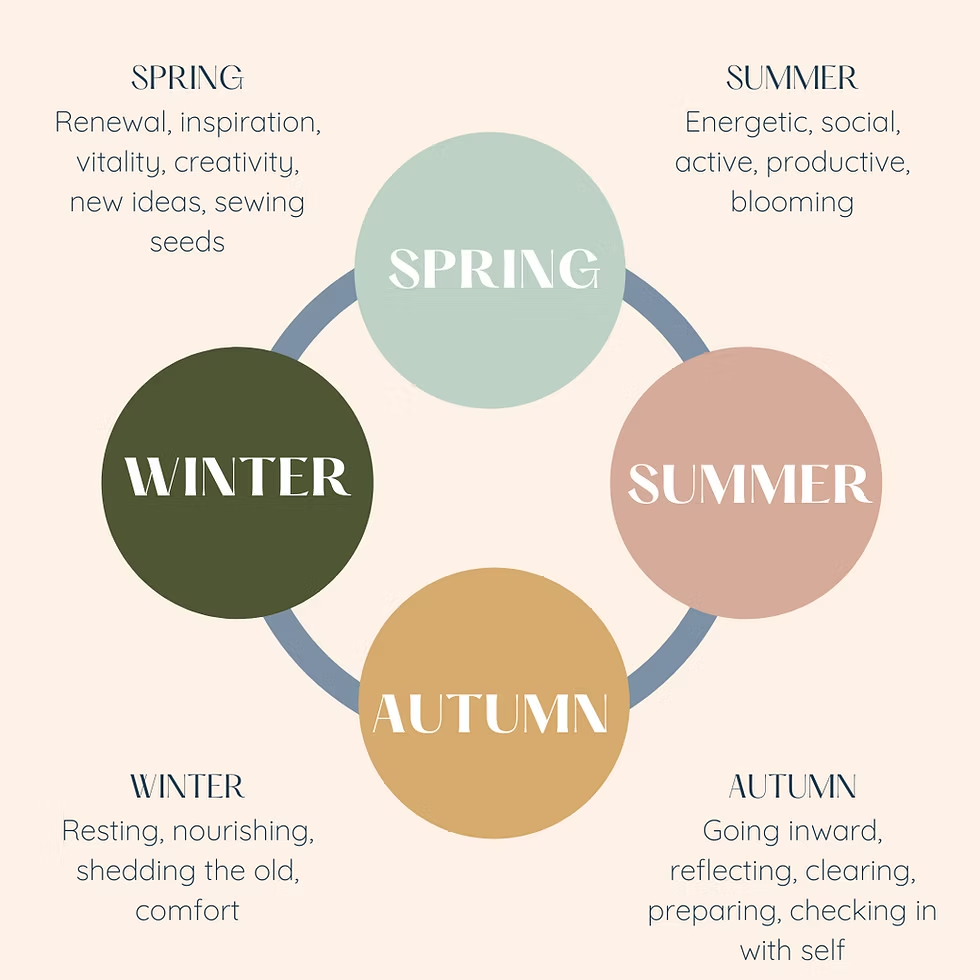
The Natural Pattern
In nature:
- Growth happens in spring
- Expansion and activity peak in summer
- Harvest and transition occur in autumn
- Rest and reduction define winter
Nothing is constant. Everything moves in phases.
Human Exception to the Rule
Modern consumption tries to eliminate these cycles:
- Food is available year-round
- Clothing trends change constantly
- Entertainment never pauses
- Shopping is always “in season”
The result is a lifestyle that never slows down.
2. Seasonal Living Naturally Reduces Consumption
When you align with seasons, you stop needing constant novelty.
How Cycles Replace Constant Wanting
Instead of continuous acquisition, you begin to:
- Use what you already have for the current season
- Pause purchases during low-need periods
- Store and reuse items instead of replacing them
- Anticipate needs rather than react to them
Desire becomes structured, not constant.
Example Shift
Instead of buying new things throughout the year:
- Spring: refresh essentials
- Summer: use lightweight, existing items
- Autumn: repair and prepare
- Winter: slow consumption and stabilize
Consumption becomes seasonal, not continuous.
3. Clothing Becomes a Rotation, Not a Constant Upgrade
One of the clearest examples of seasonal living is clothing.
The Fast Cycle Problem
Without seasonal awareness, clothing often becomes:
- Trend-driven
- Frequently replaced
- Underused
- Over-accumulated
The Seasonal Approach
Instead of constant buying:
- Clothing is rotated based on weather
- Items are stored and reused annually
- Quality becomes more important than novelty
- Repair replaces replacement
Wardrobes become systems, not collections.
4. Food Consumption Becomes More Grounded
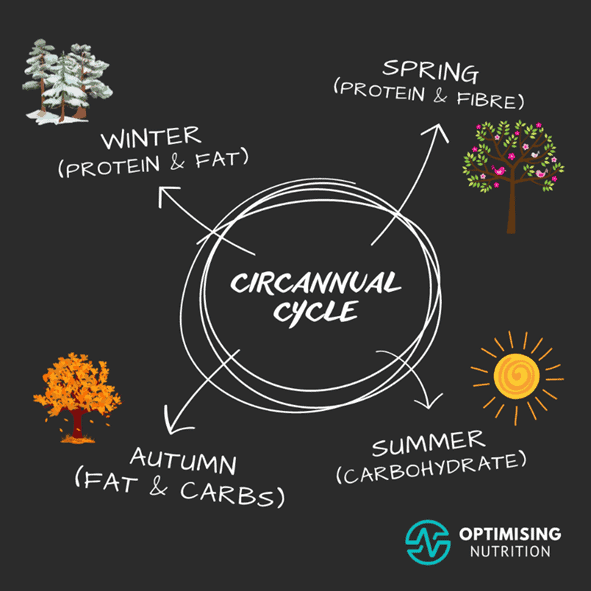
Seasonal living reconnects eating habits with natural availability.
Why Seasonal Food Matters
Eating seasonally often leads to:
- Less processed consumption
- More variety over time
- Lower reliance on imported goods
- Better appreciation of ingredients
Food stops being infinite and becomes contextual.
The Shift in Awareness
Instead of asking “What do I feel like eating right now?” the question becomes:
“What is naturally available right now?”
That subtle change reduces unnecessary consumption and increases mindfulness.
5. Energy and Motivation Follow Seasonal Rhythms
Humans are not static systems, even if modern life expects them to be.
Seasonal Energy Changes
Many people naturally experience:
- Higher energy in brighter months
- Slower, more reflective periods in darker months
- Shifts in productivity and social behavior
- Changes in sleep patterns and focus
Seasonal living accepts these shifts instead of resisting them.
Working With, Not Against, the Cycle
Instead of forcing constant output:
- High-energy seasons become periods of action
- Low-energy seasons become periods of rest and reflection
- Planning adjusts to natural rhythm
This reduces burnout and unnecessary pressure.
6. Seasonal Consumption Breaks the “Always Available” Mindset
One of the biggest drivers of overconsumption is availability.
When Everything Is Always Accessible
Constant availability leads to:
- Impulse buying
- Redundant ownership
- Lack of appreciation
- Shorter item lifespans
If something can be replaced instantly, it often is—even when it doesn’t need to be.
Seasonal Delay Creates Clarity
Seasonal living introduces natural pauses:
- Waiting for a new cycle
- Using what is already owned until next season
- Re-evaluating needs over time
That delay often reveals that many purchases aren’t necessary.
7. Storage Becomes Part of the System
Seasonal living doesn’t eliminate possessions—it organizes them differently.
The Role of Rotation
Instead of keeping everything visible all the time:
- Off-season items are stored away
- Current-season items are prioritized
- Belongings rotate instead of accumulate
This reduces clutter and decision fatigue.
Why Storage Matters Psychologically
Out of sight often means out of mind. Seasonal storage:
- Reduces temptation
- Clarifies what is actually needed
- Creates mental separation between “now” and “later”
8. Repair and Reuse Become Natural Instead of Intentional
When consumption slows, repair becomes more practical.
The Shift in Logic
Instead of replacing immediately:
- Items are kept longer
- Repairs are considered first
- Replacement becomes a last option, not a default
This happens naturally because seasonal gaps create time to reconsider.
Reuse as a Habit
Seasonal living encourages:
- Reusing stored items each year
- Maintaining rather than replacing
- Extending product lifespans
Less pressure to constantly acquire leads to more care for existing things.
9. Time Feels Less Fragmented
One of the subtle effects of seasonal living is how it changes perception of time.
From Constant Flow to Cycles
Instead of time feeling like an endless stream of updates, it begins to feel like:
- Phases
- Chapters
- Repeating patterns
Each season has its own identity.
Why This Reduces Consumption
When time feels cyclical:
- Urgency decreases
- FOMO weakens
- “Keeping up” becomes less relevant
- Long-term thinking replaces short-term impulse
10. Seasonal Living as a Form of Gentle Resistance
Seasonal living is not about rejecting modern life—it’s about slowing its default pace.
Against Constant Consumption
It quietly challenges:
- Always-new marketing cycles
- Continuous product releases
- Endless availability of goods
- Pressure to upgrade frequently
Instead, it restores rhythm.
Choosing Rhythm Over Reaction
Rather than reacting to constant input, seasonal living encourages:
- Planning ahead
- Reflecting before purchasing
- Aligning with natural cycles
- Accepting periods of less activity
It replaces urgency with timing.
Final Thoughts
Seasonal living is not about restriction—it’s about alignment. When consumption follows natural cycles instead of constant availability, life becomes more intentional and less reactive.
Reducing consumption cycles doesn’t mean having less of everything all the time. It means having what you need when you need it, and letting everything else wait its turn. Over time, this creates a quieter relationship with possessions, time, and desire itself.
In a world designed for constant input, seasonal living offers something increasingly rare: the permission to slow down, pause, and let life move in its own rhythm again.