

Most mornings are treated like launch sequences—alarms, notifications, rushed decisions, and immediate input. The day begins at full speed before awareness even fully arrives. Slow mornings challenge that pattern by redesigning the start of the day into something quieter, more intentional, and less reactive.
A slow morning isn’t about doing nothing. It’s about doing fewer things, more gently, and with attention instead of urgency. It’s a deliberate choice to let the day unfold instead of forcing it open.
What a Slow Morning Really Is
A slow morning is a structured period at the beginning of the day where stimulation is minimized and pace is intentionally reduced.
It often includes:
- Delayed phone use or no screens at first
- Simple, repetitive routines
- Low sensory input
- Unhurried movement
- Time without immediate productivity pressure
But more importantly, it’s a mindset shift:
The morning is not something to survive—it’s something to enter.
1. Why Modern Mornings Feel So Rushed

The feeling of morning stress isn’t accidental. It’s designed by habits and environment.
The Instant Input Problem
Most people begin the day with:
- Notifications
- Emails
- News feeds
- Social media
- Task lists
Before the mind is fully awake, it’s already processing external demands.
The Resulting Mental State
This creates:
- Fragmented attention
- Early stress response activation
- Reactive decision-making
- A sense of urgency without context
The day starts in response mode instead of presence mode.
2. The First 30 Minutes Shape the Entire Day
The beginning of the day sets a psychological baseline.
Why Early Inputs Matter
Your brain is especially sensitive right after waking:
- Focus is still forming
- Emotional regulation is softer
- Attention is more absorbent
Whatever enters first tends to set the tone.
Calm vs. Chaos Start
- Calm start → steadier focus, lower stress baseline
- Chaotic start → scattered attention, reactive thinking
The difference isn’t subtle—it compounds throughout the day.
3. Removing Immediate Digital Input
One of the most powerful changes in slow mornings is delaying screens.
Why Screens Disrupt Calm
Early screen use introduces:
- Information overload
- Social comparison
- Task pressure
- Uncontrolled attention shifts
Even “neutral” content keeps the mind externally directed.
The Effect of Delay
When screens are delayed:
- Thoughts organize more naturally
- Attention stabilizes before input begins
- Internal pace is preserved longer
It creates space between waking and reacting.
4. The Power of Simple, Repetitive Actions
Slow mornings rely on small, predictable routines.
Why Repetition Is Calming
Repetitive actions reduce cognitive load:
- No decision fatigue
- No urgency
- No complexity
Examples include:
- Making coffee or tea slowly
- Washing up without rushing
- Opening windows and letting in air
- Light stretching or walking
These actions ground the body in the present moment.
Predictability as Stability
When nothing new is demanding attention, the nervous system settles naturally.
5. Designing a Sensory Environment for Calm

The environment plays a major role in how a morning feels.
Reducing Sensory Overload
Slow mornings often involve:
- Soft or natural light instead of bright screens
- Minimal noise or gentle background sound
- Clean, uncluttered spaces
- Limited visual stimulation
Less input equals more mental space.
Why This Works
The brain constantly filters sensory data. Reducing input in the morning lowers the cognitive workload before the day begins.
6. Moving Slower on Purpose
Speed is one of the biggest drivers of morning stress.
The Cost of Rushing
Rushing creates:
- Shallow breathing
- Tension in the body
- Reduced awareness
- Increased mistakes
Even small acts done quickly reinforce urgency.
Slowness as Regulation
Moving slowly allows:
- Better coordination
- Greater awareness of actions
- Lower physiological stress
- More control over attention
It signals safety to the nervous system.
7. Replacing Productivity With Presence
Traditional mornings prioritize output: what needs to get done first. Slow mornings prioritize awareness instead.
Shifting the Question
Instead of:
- “What do I need to do immediately?”
Slow mornings ask:
- “How do I want to enter the day?”
This shift changes the emotional tone completely.
Presence Over Performance
You don’t need to achieve anything in the first hour. You simply need to arrive fully into the day.
8. The Role of Ritual in Morning Calm
Rituals are repeated actions done with intention.
Why Rituals Work
They create:
- Predictability
- Emotional grounding
- Transition between rest and activity
- A sense of stability
Even simple rituals can anchor the morning.
Examples of Morning Rituals
- Drinking water slowly before anything else
- Sitting quietly for a few minutes
- Journaling without structure
- Making breakfast without multitasking
The action matters less than the consistency.
9. Mental Clarity Through Reduced Input
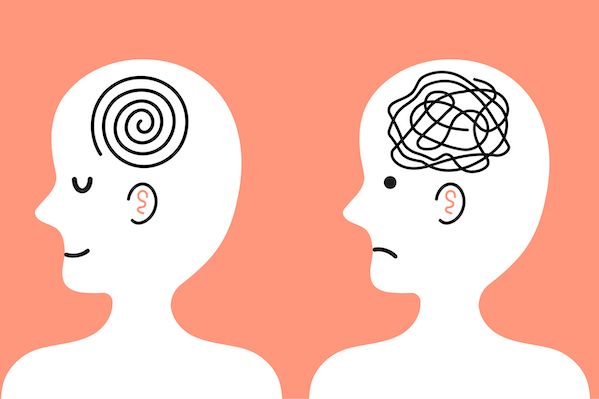
A slow morning clears mental space before external demands arrive.
Less Noise, More Signal
Without immediate stimulation:
- Thoughts become easier to sort
- Priorities emerge more naturally
- Emotional baseline stabilizes
The mind isn’t forced into reaction—it settles into awareness.
Why This Improves the Rest of the Day
When clarity is established early:
- Decisions feel easier
- Focus lasts longer
- Stress accumulates more slowly
The morning becomes a stabilizing foundation.
10. Slow Mornings as a Form of Resistance
In a culture built on speed and constant input, slow mornings are quietly countercultural.
Against Instant Urgency
Slow mornings resist:
- Immediate productivity pressure
- Digital dependency
- Constant availability
- Fast-start expectations
Instead, they prioritize internal rhythm over external demand.
Choosing the Pace of Your Day
A slow morning doesn’t remove responsibilities—it changes how you enter them. Instead of being pulled into the day, you step into it deliberately.
Final Thoughts
Slow mornings are not about perfection or strict routines. They are about removing unnecessary urgency from the beginning of the day so that clarity has room to form naturally.
When mornings are slow, the rest of the day often follows differently. Attention is steadier, decisions feel less reactive, and time feels less fragmented. The difference isn’t in what you do, but in how you begin.
A calm morning doesn’t just start the day—it shapes the way the day is experienced.